
Posted by Soniya Jyoti Yonghang on 6th Jul 2026
Zest of Shrawan: The Legend and Traditions Behind Nepal's Holiest Month
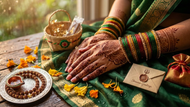
Shrawan is Nepal's holiest Hindu month, dedicated to Lord Shiva. Named after the star that rules the sky during this period in the Vedic almanac, every day is considered auspicious. Hindu women mark the month by fasting on its four Mondays (Shrawan Somvar) for family prosperity, and by wearing green, red, and yellow bangles, pote (glass bead necklaces), and hand-drawn mehendi as symbols of devotion and saubhagya (marital blessing).
The Legend Behind Shrawan
According to the Vedic almanac, the star Shrawan rules the sky during this period, which is why the month takes its name and is also called Shrawan Mas. It falls in the heart of monsoon season and is considered the purest month of the Hindu calendar, packed with rituals and festivals meant to invoke Lord Shiva's blessings. Devotees of every age worship Shiva throughout the month, but Mondays — Shrawan Somvar — carry special weight. Married women fast on these days for the prosperity and health of their husbands and families, while tradition holds that an unmarried woman who fasts on every Monday of Shrawan will be blessed with a husband of her choosing.
Shrawan Sankranti: The Month's Opening Celebration
The first day of Shrawan is celebrated as Shrawan Sankranti, marking a moment of relief and togetherness after the demanding work of paddy plantation season. Families gather for a shared feast, celebrating with whatever they have on hand. As evening falls, many burn wood along with a bitter herb called tite pati in a ritual known as "Luto Phalne" - a symbolic act of self-cleansing believed to ward off scabies and skin irritation common during the monsoon.
Why Green Is the Color of Shrawan
Walk through Kathmandu in Shrawan and green is everywhere - in the paddy fields, in the monsoon air, and in what women choose to wear. Hindu women mark the month with red, green, and yellow bangles and elaborate mehendi (henna) designs on their palms. It's common to see women queuing for street mehendi artists, then walking carefully afterward to protect the still-drying art. The same excitement carries into choosing bangles and pote from local shops - small rituals that, together with the season's unpredictable rains, give Shrawan its distinct character.
Pote, Necklaces, and Jewelry: A Gesture of Care
Alongside bangles and mehendi, jewelry plays its own quiet role in Shrawan. Colorful pote (glass bead necklaces) in red, green, and yellow see especially high demand this month, and gifting a wife, mother, or daughter a piece of jewelry during Shrawan is a well-established tradition in Hindu households - an understated way of showing you care. A green sari or kurti, bangles catching the light, fresh mehendi, and a necklace or pair of earrings to finish the look: together, they make up the full Shrawan look many women look forward to all year.
How to Send the Spirit of Shrawan From Abroad
If you're marking this month from outside Nepal, sending a small piece of the tradition home is easier than it might seem. Giftmandu delivers across Nepal, with same-day delivery available inside the Kathmandu Valley:
- Bangles, mehendi, and accessories - chura, henna cones, earrings, and rings in Shrawan's signature colors
- Pote and necklaces - traditional glass bead necklaces showcasing Nepali craftsmanship
- Mehendi henna cones - for the palms art that defines Shrawan style
- Shrawan gift hampers - curated combos of bangles, mehendi, and puja essentials in one package
- Beauty hampers - pote, mehendi, nail polish, and accessories bundled for gifting
A gift timed to land before the first Shrawan Somvar lets your loved one begin the month already feeling remembered.
Corporate Gifts for Shrawan
Shrawan isn't only a personal, family occasion - many Nepali businesses now use the month to acknowledge staff and clients too, especially given how widely it's observed across the workforce. A thoughtful, culturally relevant gift during Shrawan tends to land better than a generic corporate token, since it shows the company recognizes what the season means to employees.
Giftmandu's corporate gifting service supports this with no minimum order quantity, company logo or message branding, and nationwide delivery - including multi-location delivery for teams spread across different cities. Options relevant to Shrawan include:
- Sattvic-friendly snack hampers for employees observing Monday fasts, built from dry fruits, fruits, and light snacks
- Branded Shrawan combo boxes - mehendi, bangles, and a personalized note for female staff and clients
- Bulk gifting for client appreciation, timed around Shrawan Sankranti or the festivals that fall within the month, like Naag Panchami and Raksha Bandhan
- Full customization of packaging, cards, and branding through the corporate gift collection
Companies serving distributed or remote teams across Nepal can also arrange a single bulk order with delivery split across multiple cities, so every employee receives their Shrawan gift on the same day regardless of location.
Frequently Asked Questions
Q. What is the legend behind Shrawan month? Shrawan is named after the star that, per the Vedic almanac, rules the sky during this period. It's considered the holiest month of the Hindu calendar and is dedicated to Lord Shiva, with every day regarded as auspicious for worship.
Q. Why do women fast on Mondays during Shrawan? Mondays in Shrawan, called Shrawan Somvar, are set aside for worshipping Lord Shiva. Married women fast for the prosperity and good health of their husbands and families, while unmarried women traditionally fast in hopes of finding a husband of their choice.
Q. What is Shrawan Sankranti? Shrawan Sankranti is the first day of the month, celebrated as a feast among family after the busy paddy-planting season. In the evening, people burn wood and the herb tite pati in a ritual called "Luto Phalne," believed to ward off scabies and skin irritation.
Q. Why do women wear green bangles and mehendi in Shrawan? Green is considered the color of Shrawan, reflecting the lush monsoon paddy fields. Green, red, and yellow bangles along with mehendi (henna) designs symbolize saubhagya (marital blessing) and devotion, and are worn throughout the month.
Q. What is a meaningful gift to send someone observing Shrawan in Nepal? Bangles, mehendi cones, pote necklaces, and curated Shrawan gift hampers are traditional and well-received gifts, especially when they arrive before the first Shrawan Monday so the recipient can wear them from the start of the month.
Q. Do companies in Nepal give corporate gifts during Shrawan? Yes. Many Nepali businesses use Shrawan to send culturally relevant gifts to staff and clients, such as sattvic snack hampers or branded Shrawan combo boxes, often with company logo customization and bulk, multi-location delivery.